Why Your Company Needs an LMS — Today, Not Tomorrow
In today’s fast-changing business world, one truth stands out:
Companies that keep learning are the ones that keep growing.
But let’s face it, the old way of corporate training doesn’t cut it anymore.
Sitting through long workshops, flipping through endless PowerPoints, or attending the same “leadership” course every year?
It’s outdated. It’s expensive. And it’s boring.
That’s why more and more organizations are turning to a smarter, data-driven solution:
The Learning Management System (LMS).
What Exactly Is an LMS?
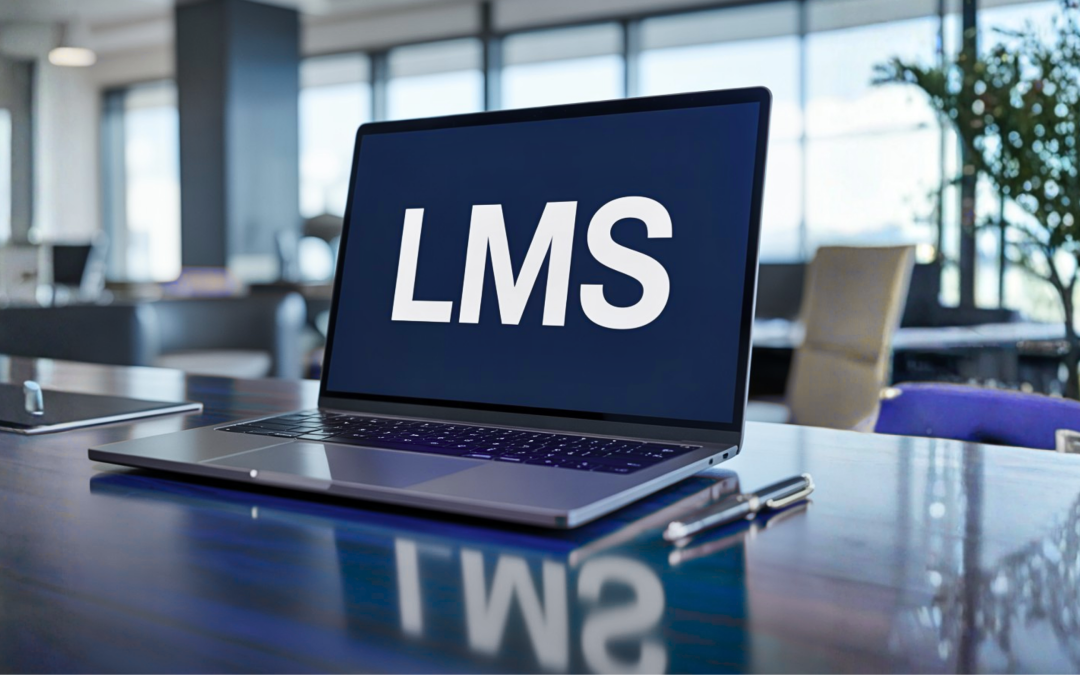
A Learning Management System (LMS) is your company’s digital training hub.
It’s where you create, deliver, and track all your learning programs from onboarding to leadership development, all in one place.
Think of it as your organization’s learning engine, built to empower people, measure performance, and fuel long-term growth.
The Power of LMS for Companies
1. Centralized Learning
Say goodbye to scattered files and outdated slides.
An LMS keeps every training resource organized, accessible, and up to date, anytime, anywhere.
2. Personalized Experience
Every employee learns differently.
An LMS adapts to each learner’s pace and preferences, turning training into an interactive, engaging experience instead of a chore.
3. Lower Costs, Higher ROI
Forget travel expenses and repeated workshops.
Digital training through an LMS saves time and money, while improving consistency and reach across teams.
4. Measurable Results
With detailed analytics, you can track progress, identify skill gaps, and measure real impact, finally connecting learning with performance.
5. Scalable and Future-Ready
Whether you’re training 10 employees or 10,000, an LMS scales effortlessly as your organization grows.
EDU Shift: Turning Learning into Transformation
At EDU Shift, we don’t just build LMS platforms
We design interactive learning experiences that spark engagement and deliver measurable results.
From course creation to full LMS integration, our solutions are tailored to your people, culture, and goals.
Because training shouldn’t just teach, it should transform.
In today’s fast-changing business world, one truth stands out:
Companies that keep learning are the ones that keep growing.
But let’s face it, the old way of corporate training doesn’t cut it anymore.
Sitting through long workshops, flipping through endless PowerPoints, or attending the same “leadership” course every year?
It’s outdated. It’s expensive. And it’s boring.
That’s why more and more organizations are turning to a smarter, data-driven solution:
The Learning Management System (LMS).
What Exactly Is an LMS?
A Learning Management System (LMS) is your company’s digital training hub.
It’s where you create, deliver, and track all your learning programs from onboarding to leadership development, all in one place.
Think of it as your organization’s learning engine, built to empower people, measure performance, and fuel long-term growth.
The Power of LMS for Companies
1. Centralized Learning
Say goodbye to scattered files and outdated slides.
An LMS keeps every training resource organized, accessible, and up to date, anytime, anywhere.
2. Personalized Experience
Every employee learns differently.
An LMS adapts to each learner’s pace and preferences, turning training into an interactive, engaging experience instead of a chore.
3. Lower Costs, Higher ROI
Forget travel expenses and repeated workshops.
Digital training through an LMS saves time and money, while improving consistency and reach across teams.
4. Measurable Results
With detailed analytics, you can track progress, identify skill gaps, and measure real impact, finally connecting learning with performance.
5. Scalable and Future-Ready
Whether you’re training 10 employees or 10,000, an LMS scales effortlessly as your organization grows.
EDU Shift: Turning Learning into Transformation
At EDU Shift, we don’t just build LMS platforms
We design interactive learning experiences that spark engagement and deliver measurable results.
From course creation to full LMS integration, our solutions are tailored to your people, culture, and goals.
Because training shouldn’t just teach, it should transform.